JA MIKKABI.
- Smart Agriculture & Food Processing
- IT/OT Total Solutions
About the Client
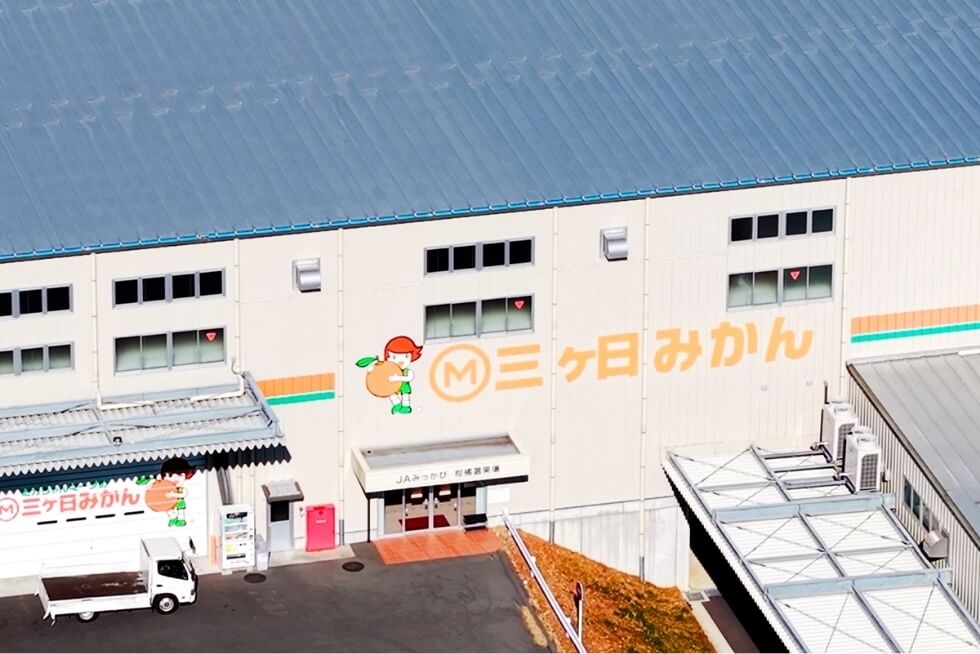
JA Mikkabi ships fresh produce to 20 fruit and vegetable markets nationwide, including the Shizuoka, Chukyo, and Keihin regions. They also widely expand their direct-to-consumer business through physical stores, EC sites, and call centers.
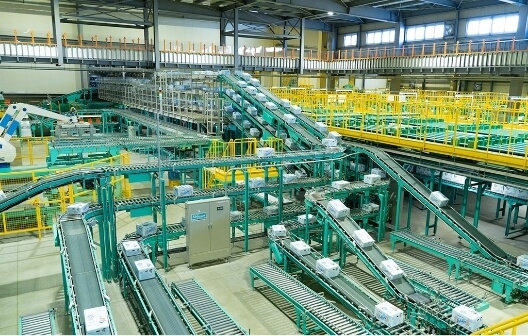
The association's grading center boasts a vast scale with a floor area of 22,411.08 square meters and a processing capacity of 66.9 tons per hour. It serves as a critical infrastructure hub supporting Japan's food supply by ensuring a stable delivery of high-quality produce across diverse channels.
Pre-Installation Challenges
Invisible Defects and Mixed-Loading Barriers: The Limits of Manual Labor and Logistics
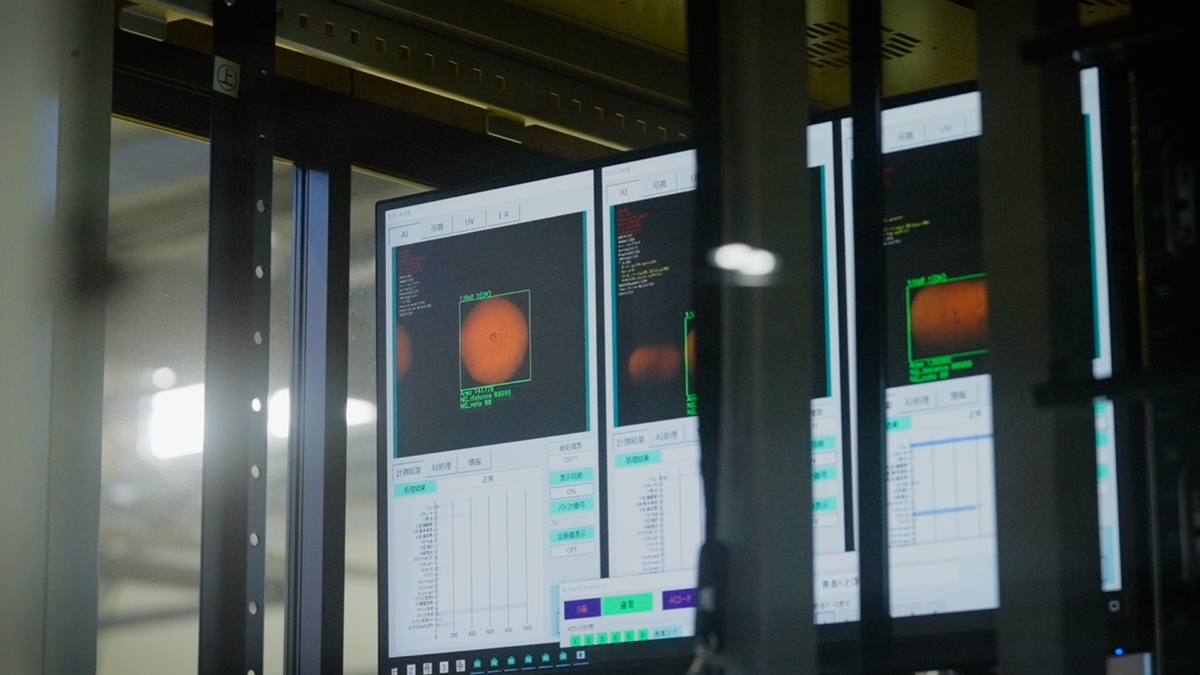
Prior to installation, the site faced two major limitations. The first was an over-reliance on manual grading. Conventional optical sensors could not identify "fresh bruises," meaning that any defective fruit had to be identified visually by producers and employees before shipment. Especially in years with poor weather, this reliance on manpower spiked, leading to immense labor costs and concerns over fluctuations in product quality.
Furthermore, the market's needs were shifting toward smaller cardboard boxes (from 10kg to 8kg) and a surge in diverse product specifications. While daily intake remained constant, there was an urgent need to drastically improve sorting and transport capacity. This required a fundamental revolution rather than a simple equipment replacement.
Key Deciding Factors
Beyond Partial Optimization: Total Engineering with Flexibility and Breadth
The primary reason Shibuya was selected among many manufacturers was our "Total Engineering" proposal, which integrated the "eyes" (AI-based grading) with the "hands and feet" (robot palletizers and automated warehouses for transport and stacking).
Shibuya was the only company capable of presenting a realistic proposal for an AI judgment system based on deep learning that was both feasible and cost-effective. The deciding factor was not a piecemeal sale of equipment, but the construction of a comprehensive line meticulously designed for operational efficiency and future scalability.
Furthermore, our support system leading up to the start of operations was highly praised. Our accurate recognition of issues based on deep agricultural insight and our high execution capability brought the project to life. Above all, the sincere and rapid response from both our sales and technical departments earned us words of "strong trust and deep respect" from the entire production region.
Implementation Benefits
50% Labor Reduction and Zero Errors: Productivity and Scale that Awe the Nation
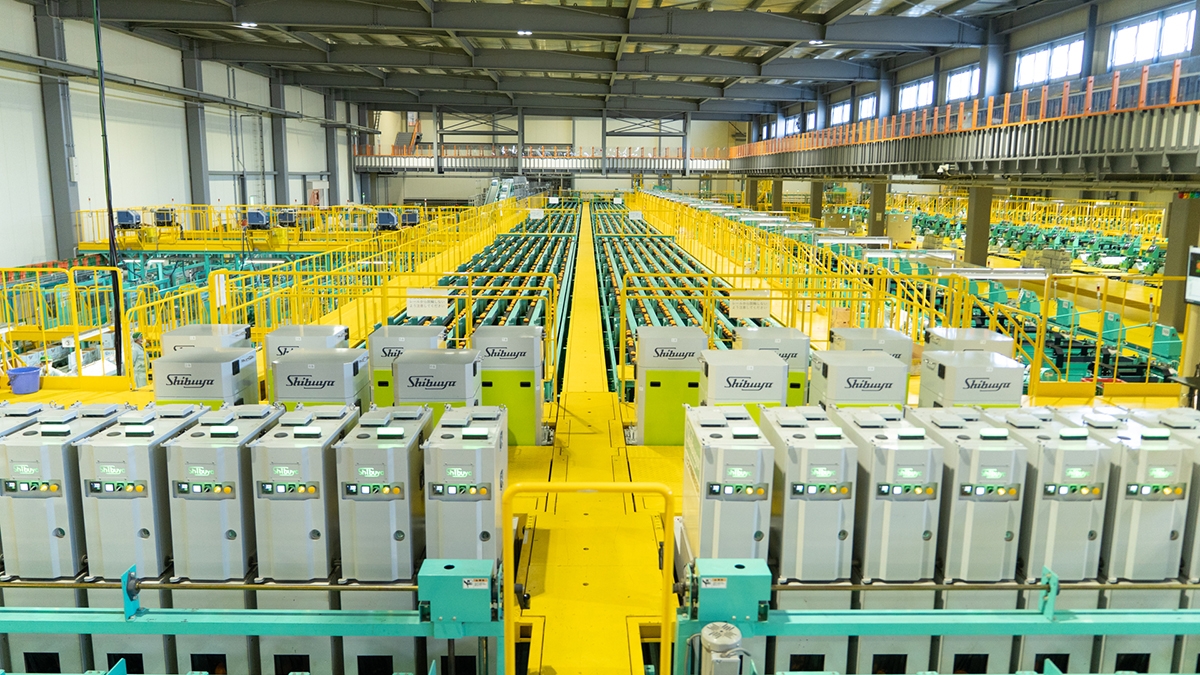
The new system's operation has dramatically improved long-standing issues regarding manual labor dependency and the burden on transport providers. In the sorting process, AI-based high-precision judgment consistently matches the accuracy of conventional systems while successfully reducing manual labor for producers and the grading center by approximately 50%. This shift from individual-dependent work has created a resilient quality control system unaffected by weather.
In the logistics process, palletizing has been completely automated via a robotic system. This has entirely eliminated the need for transport providers to assist with manual loading. Despite the complex task of mixed-loading multiple items, there have been zero errors, such as misstacking, to date. This has delivered results beyond expectations—building a stable logistics infrastructure that never stops.
These overwhelming results have attracted widespread attention, with numerous visitors from production areas and government agencies across the country now visiting the site.
Becoming a Partner Beyond an Equipment Vendor for Diversifying Needs
Consumer needs will continue to diversify, and high quality standards will remain a requirement. JA Mikkabi will never stop evolving, pursuing further precision and labor savings while maintaining its current production scale.
In this endless challenge, Shibuya is expected to be more than a "simple equipment vendor." Based on the active introduction of cutting-edge technology and reliable technical expertise, we must be a "Dantotsu Co-Evolution" partner that worries alongside the client to face unknown challenges.
We will continue to work in a strong scrum formation, never running away from the ideal workplace our customers envision, to together forge the future of Japan's agricultural infrastructure.
Insights
Our ongoing commitment to pioneering the future of technology.

Products & Solutions
Driving global leadership with DANTOTSU* products.