Founder Kashichi Shibuya established Shibuya Shoten in 1931. Centered on the “SHIBUYA-style” combustion device, we expanded the business through a hands-on, on-site approach, supplying sake breweries and soy sauce producers across the Hokuriku and Tohoku regions. By adopting a sales style that brought skilled craftsmen directly to customer sites and by establishing local operating bases, we steadily built our track record.
During the wartime period (1941–1945), the company overcame shifts in supply conditions and material shortages. In the postwar years, we pivoted to brewing machinery, including rice-washing and bottle-washing machines, thereby expanding our sales channels.
The customer-focused sales approach and the practice of refining technologies on-site developed during this period became the foundation of SHIBUYA.
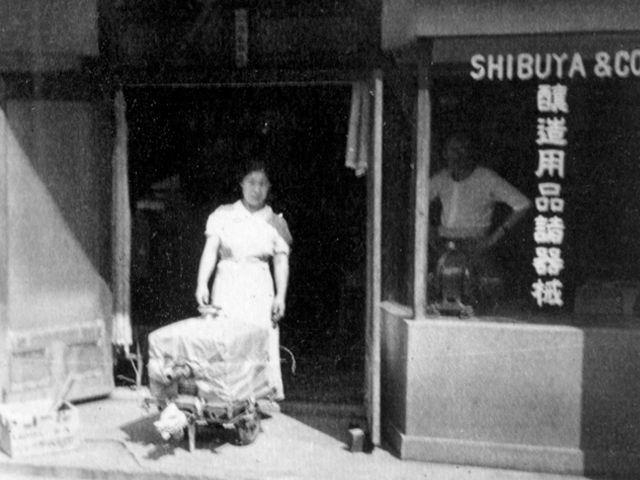
Shibuya Shoten at the time of its founding
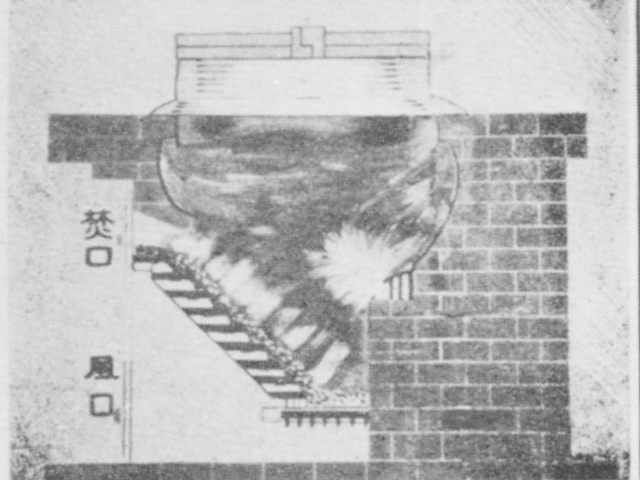
SHIBUYA-style combustion device
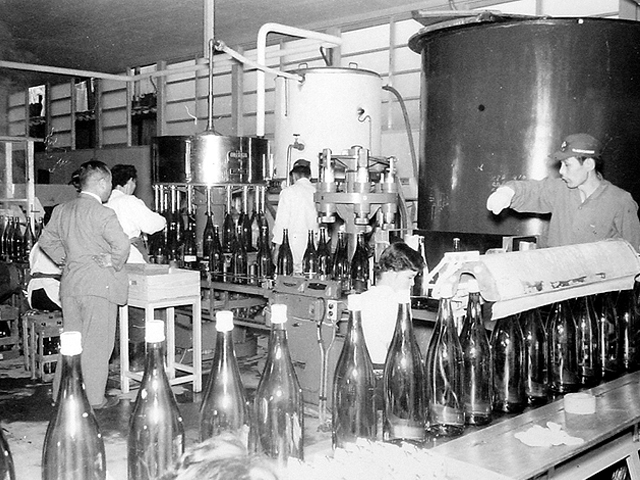
First multi-purpose bottle filling machine
| 1931 | Founded Shibuya Shoten in Shichiho-machi (present-day Musashi-machi), Kanazawa, by Kashichi Shibuya |
|---|---|
| 1949 | Reorganized Shibuya Shoten into Shibuya Kogyo Co., Ltd. (capital: ¥1.5 million) |
| 1953 | Opened a new factory in Mameda-honmachi, Kanazawa |
| 1959 | Developed a multi-purpose bottle filling machine |
Entering Japan’s period of rapid economic growth, we responded to increasing demand for labor-saving solutions by developing a multi-purpose bottle filling machine, thereby enhancing our reputation in the domestic market. While addressing challenges such as equipment failures and delivery delays, we accumulated technical know-how and began expanding into overseas markets.
At the same time, through partnerships with European and U.S. companies in filling machines and labelers, we incorporated advanced technologies. By refining these technologies in-house and establishing mass production capabilities, we broadened our product lineup and strengthened our corporate foundation in preparation for listing.
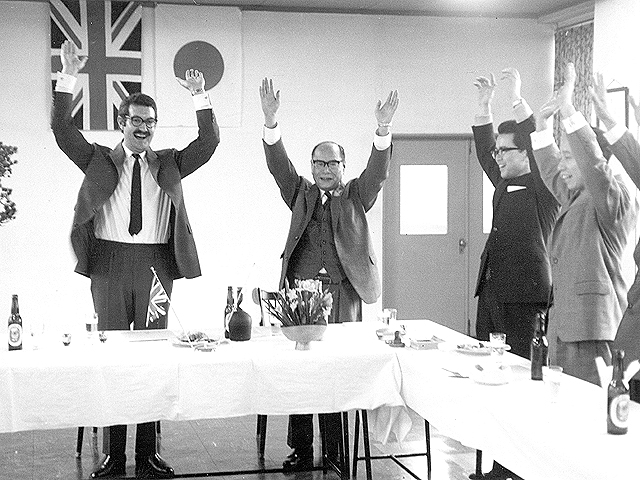
Technical partnership with Morgan Fairest Ltd. (UK)
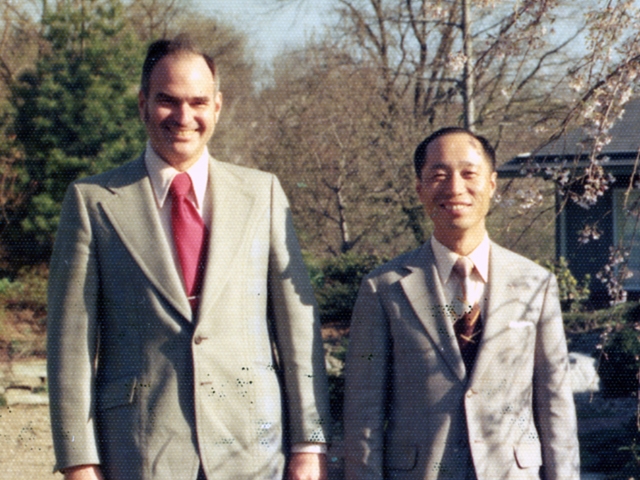
Technical partnership with Horix Manufacturing Co. (USA)
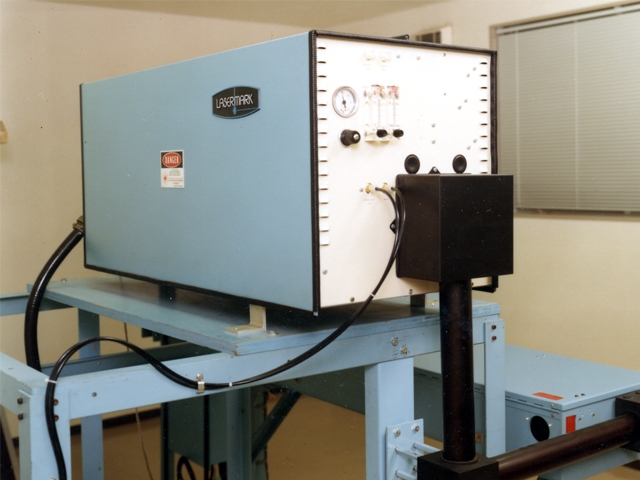
Laser marking equipment
| 1964 | Selected as the first investment recipient of Nagoya Small and Medium Business Investment & Consultation Co., Ltd. |
|---|---|
| 1965 | Increased capital to ¥100 million |
| 1969 | Entered into a technical partnership with Morgan Fairest Ltd. (UK) for SBL-type labelers |
| 1972 | Entered into a technical partnership with U.S. Bottlers Machinery Co. (USA) for DS-type air cleaners Entered into a technical partnership with Horix Manufacturing Co. (USA) for HF-type fillers |
| 1978 | Entered into a sales partnership with Lumonics Inc. (Canada) for laser marking equipment |
| 1979 | Entered into a technical partnership with B&H Manufacturing Company, Inc. (USA) for roll labelers |
In 1982, we were listed on the Second Section of the Nagoya Stock Exchange, securing greater access to capital and enhanced credibility. This enabled us to enter the mechatronics field in earnest, including semiconductor manufacturing equipment, medical devices, and laser processing machines.
Building on this momentum, we gained recognition following the approval of our medical laser devices and built capabilities in aseptic filling for the pharmaceutical field as well as in robotics technologies. While further advancing technologies introduced from both domestic and international sources through in-house refinement, we also strengthened our management foundation by enhancing organizational and administrative functions, including cost management and budget-to-actual cost management, in line with business expansion. This period marked the beginning of new growth areas beyond our bottling business.
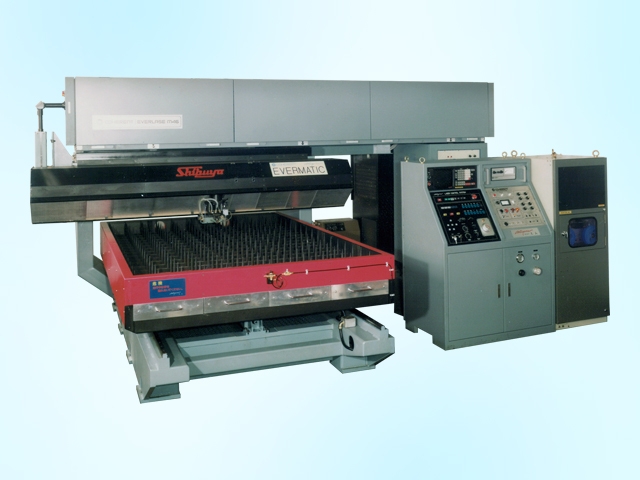
Gas laser processing machine
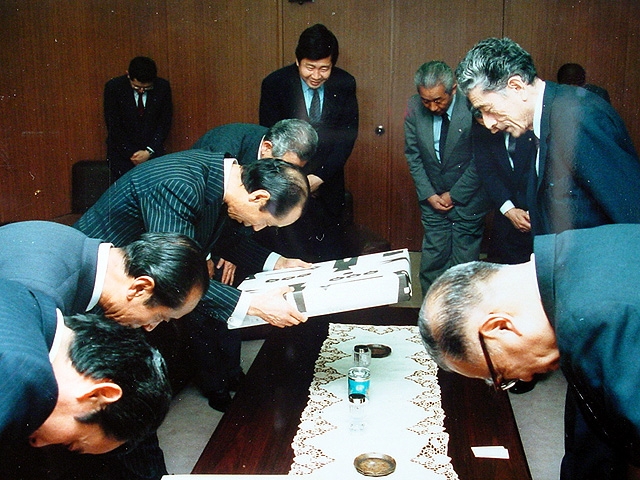
Listed on the Second Section of the Tokyo Stock Exchange
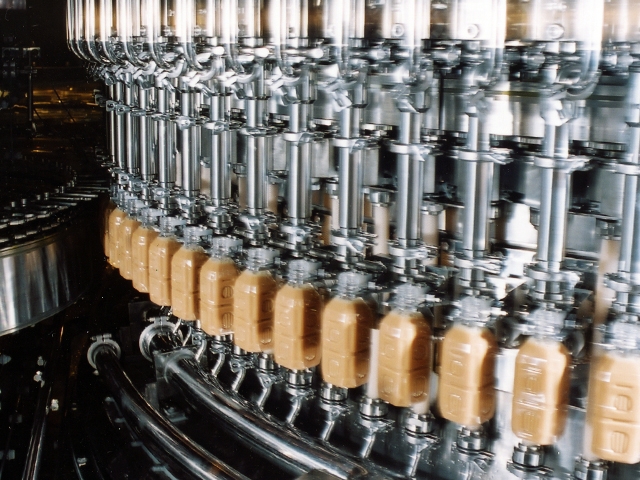
Aseptic filling system for PET bottles
| 1982 | Listed on the Second Section of the Nagoya Stock Exchange Entered the Mechatronics Systems Business |
|---|---|
| 1985 | Increased capital to ¥5.28 billion Listed on the Second Section of the Tokyo Stock Exchange |
| 1986 | Designated to the First Section of the Tokyo and Nagoya Stock Exchanges |
| 1995 | Entered into a sales partnership with Uhlmann Pac-Systeme GmbH & Co. KG for solid pharmaceutical product packaging systems Obtained ISO 9001 certification for the medical equipment manufacturing division |
| 1998 | Developed an aseptic filling system for PET bottles |
The 2000s through the 2010s marked a period of transformation, during which we simultaneously expanded our business domains through M&A and made focused investments in next-generation technologies. Beginning with the acquisition of Ishii Kogyo in 2003, followed by Hoppmann, Maki Manufacturing, and Fabrica Toyama, we expanded into agricultural sorting machines and packaging equipment, while establishing a presence in North America and Southeast Asia. These initiatives significantly broadened both our product portfolio and market reach.
In response to the 2008 global financial crisis, we achieved a rapid V-shaped recovery through Breakthrough against Storm strategies, the CD45 Strategy (Cost Destruction 45 Strategy), and the rigorous application of order-based budget and cost management. At the same time, we entered the field of regenerative medicine in earnest, advancing the commercialization of technologies such as CellPRO and Regenova, including aseptic automation and three-dimensional cell layering. Collaboration with academic institutions and startup companies further accelerated development in this area.
As part of our efforts to develop new markets globally, we established overseas subsidiaries in the United States, China, Thailand, and Malaysia. Building on lessons learned from our M&A activities, we strengthened governance, credit management, and financial controls, establishing a foundation for growth driven by both our core businesses and new business domains. In the fiscal year ended June 2019, we achieved net sales of ¥100 billion.
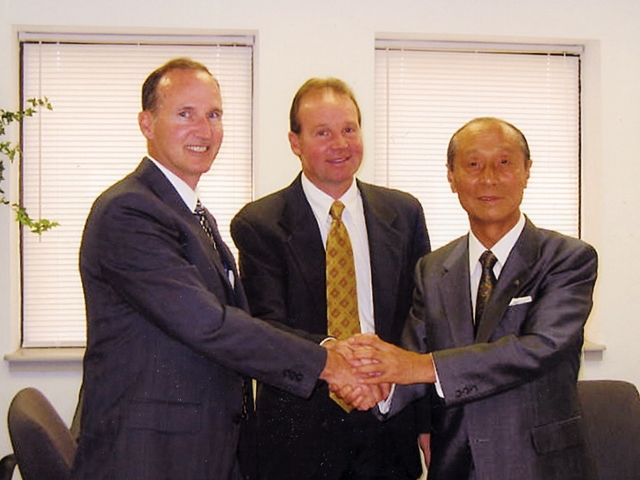
Hoppmann Corp. (USA) joined the Shibuya Group
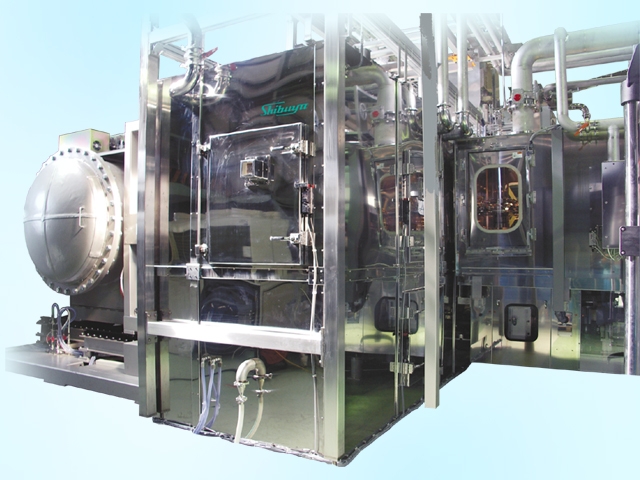
Aseptic filling system using electron beam sterilization
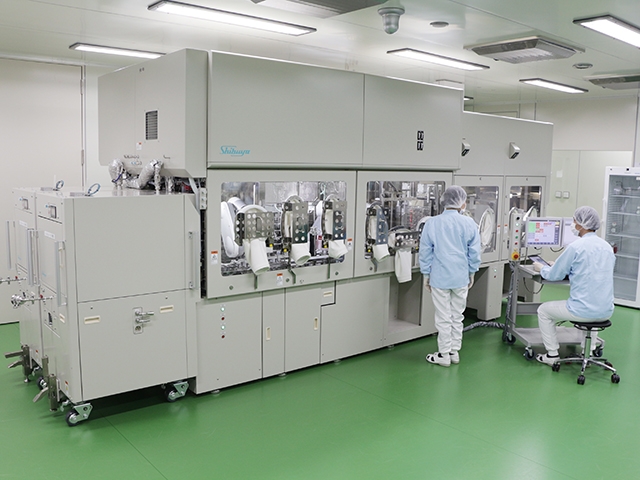
Established the Shibuya Advanced Cell Processing Factory
| 2000 | Opened the RP System Morimoto Factory at Kanazawa Techno Park |
|---|---|
| 2003 | Ishii Kogyo Co., Ltd. joined the Shibuya Group [now Shibuya Seiki Co., Ltd.] |
| 2004 | Established Shibuya EDI Co., Ltd. |
| 2005 | Hoppmann Corp. (USA) joined the Shibuya Group [now Shibuya Hoppmann Corp.] |
| 2006 | Commercialized an aseptic filling system using electron beam sterilization |
| 2008 | Established Shizuoka Shibuya Seiki Co., Ltd. [now Shibuya Seiki Co., Ltd.] |
| 2009 | Fabrica Toyama Corp. joined the Shibuya Group [now Shibuya Packaging System Co., Ltd.] |
| 2012 | Kaijo Corp. joined the Shibuya Group Neagari Kousakusho Co., Ltd. joined the Shibuya Group [now Neagari Shibuya Co., Ltd.] |
| 2013 | Expanded into the regenerative medicine field Okinawa Advanced Machining Center Co., Ltd. began production at its new factory [now Okinawa Shibuya Co., Ltd.]; Established Shanghai Shibuya Inc. |
| 2014 | Established Shibuya Kogyo (Thailand) Co., Ltd. [now Shibuya Kaijo (Thailand) Co., Ltd.] |
| 2018 | Opened the Cell Culture Processing Center at the RM System Morimoto Factory Established Shibuya Kaijo (Malaysia) Sdn. Bhd. |
| 2019 | Shibuya Group consolidated net sales reached ¥100 billion |
SHIBUYA has a long history of embodying and putting into practice the SHIBUYA spirit, rooted in our founding principle of “Work with Joy,” through which our predecessors pioneered new paths, overcame challenges, and persevered with a positive, forward-looking mindset. This spirit has been a central philosophy from the founding period through the acceleration period and remains a constant guiding principle for SHIBUYA.
As we pursue growth and new challenges in the next stage, we will uphold not only the values worth preserving, but also the philosophy of upholding what should remain unchanged while embracing change, alongside “Work with Joy.” In doing so, we aim to continue to evolve together with all stakeholders toward the next generation.
Building on our track record of developing numerous industry-first technologies, including world-class aseptic filling technology for bottling systems, we will not rest on our past achievements. Through proactive M&A and collaboration with partners possessing advanced technologies such as AI, we will expand into broader global markets and strive for further growth.
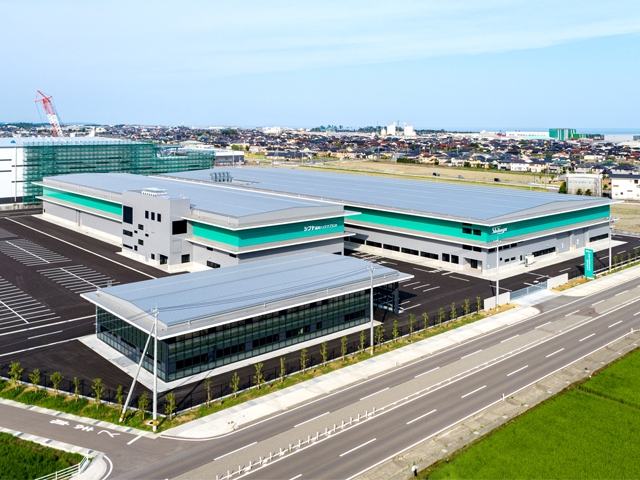
Nomi Hi-Tech Plant
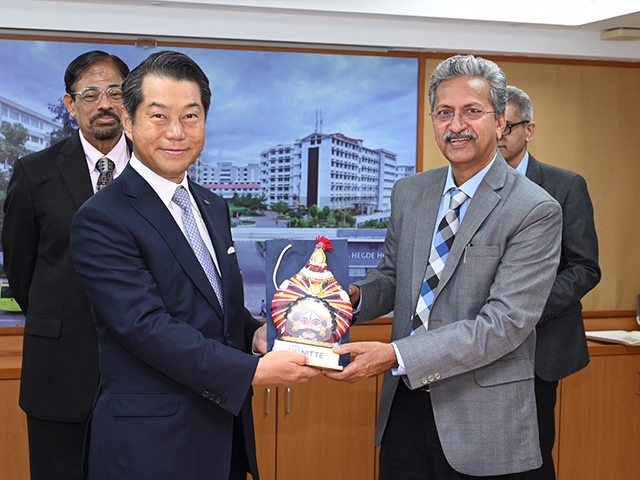
Business partnership agreement with NITTE University (India)
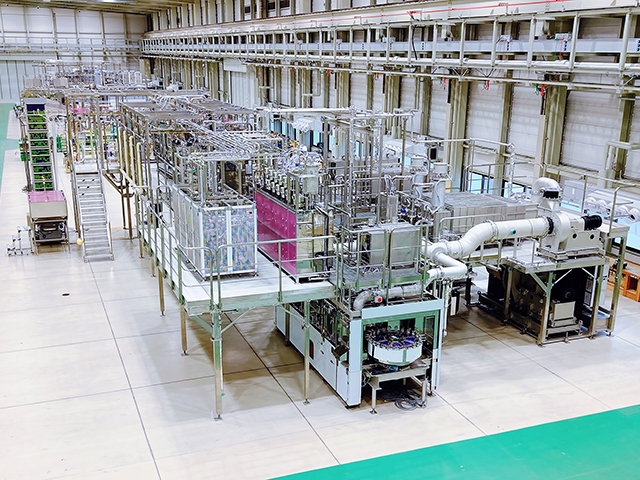
ZHA next-generation aseptic system
| 2021 | Merged with Shibuya Machinery Co., Ltd. |
|---|---|
| 2022 | Moved to the Prime Market of the Tokyo Stock Exchange Opened the Nomi Hi-Tech Plant at Fukushima Grand Park in Nomi City, Ishikawa Prefecture |
| 2022 | Launched the Global Learning Program (GLP) |
| 2023 | SOWA Mechatronics Corp. joined the Shibuya Group |
| 2023 | Entered into a business partnership agreement with NITTE University (India) |
| 2023 | Established the Plant Customer Support Headquarters to strengthen the global customer support framework |
| 2023 | Established a manufacturing base for dialysis equipment in Shanghai (Shibuya Shanghai Medical Equipment Inc.) |
| 2024 | Established PT Shibuya Technologies Indonesia |
| 2024 | Established a sales office in India |
| 2025 | Completed the ZHA next-generation aseptic system |
| 2025 | Broke ground on four facilities: SX Morimoto Factory, Morimoto No. 3 Machinery Factory, Nomi No. 2 Machinery Factory, and Medical Equipment Wakamiya Factory Building B |
| 2025 | Completed the new office at Shibuya Seiki’s Hamamatsu headquarters |
| 2025 | Entered into a sales partnership with 4JET Holding GmbH (Germany) for laser micromachining systems for high-performance glass |